Watch Episode 1 first:
*By Billy Bohan Chinique, Vice President, Marketing & Digital Innovation*
Watch the episode before you read this — trust me, the footage of the Inside Passage does something the words can’t. Then come back here for everything we didn’t have time to unpack on camera.
Okay so real talk — I’ve worked in travel for over 20 years, and Alaska has been the “someday” trip my whole career. Every colleague who’d been would come back and go quiet for a second before saying some version of “you just have to see it.” Which, as a marketing guy, is both the best and most annoying pitch I’ve ever heard, because how do you sell “you just have to see it”? That’s literally my job now, so buckle up.
This was my first time in Alaska. Ever. First episode of the series and I’m already the rookie in the room, because my co-host, Michelle Bentubo, Chief Operations Officer at Virgin Voyages, has done this itinerary more than ten times. Ten. Michelle has forgotten more about Alaska than I currently know, and that dynamic — her calm “yeah this happens every time” energy next to my full golden-retriever-seeing-snow-for-the-first-time energy — is basically the whole vibe of this episode.
Okay But Why Does Day One Matter If We Don’t Even Get Off the Ship?
This is the question I would’ve asked before filming this. Day one out of Vancouver is a fully onboard day — no port, no shore excursion, nothing to “do” in the traditional sense. My brain, trained by literally every other cruise itinerary on earth, wanted to treat this as a warm-up lap. A day to unpack, grab a drink, wait for the “real” vacation to start.
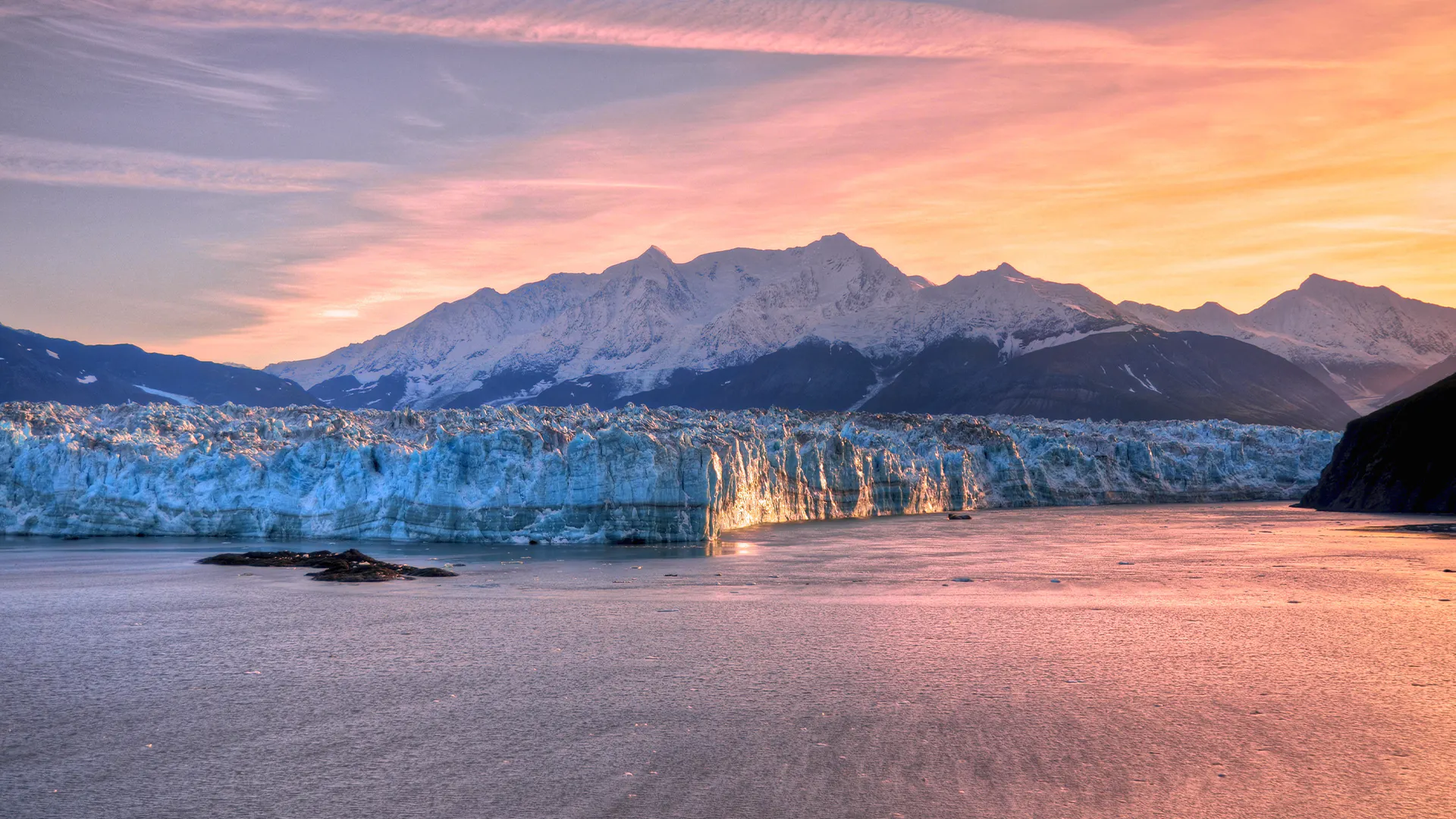
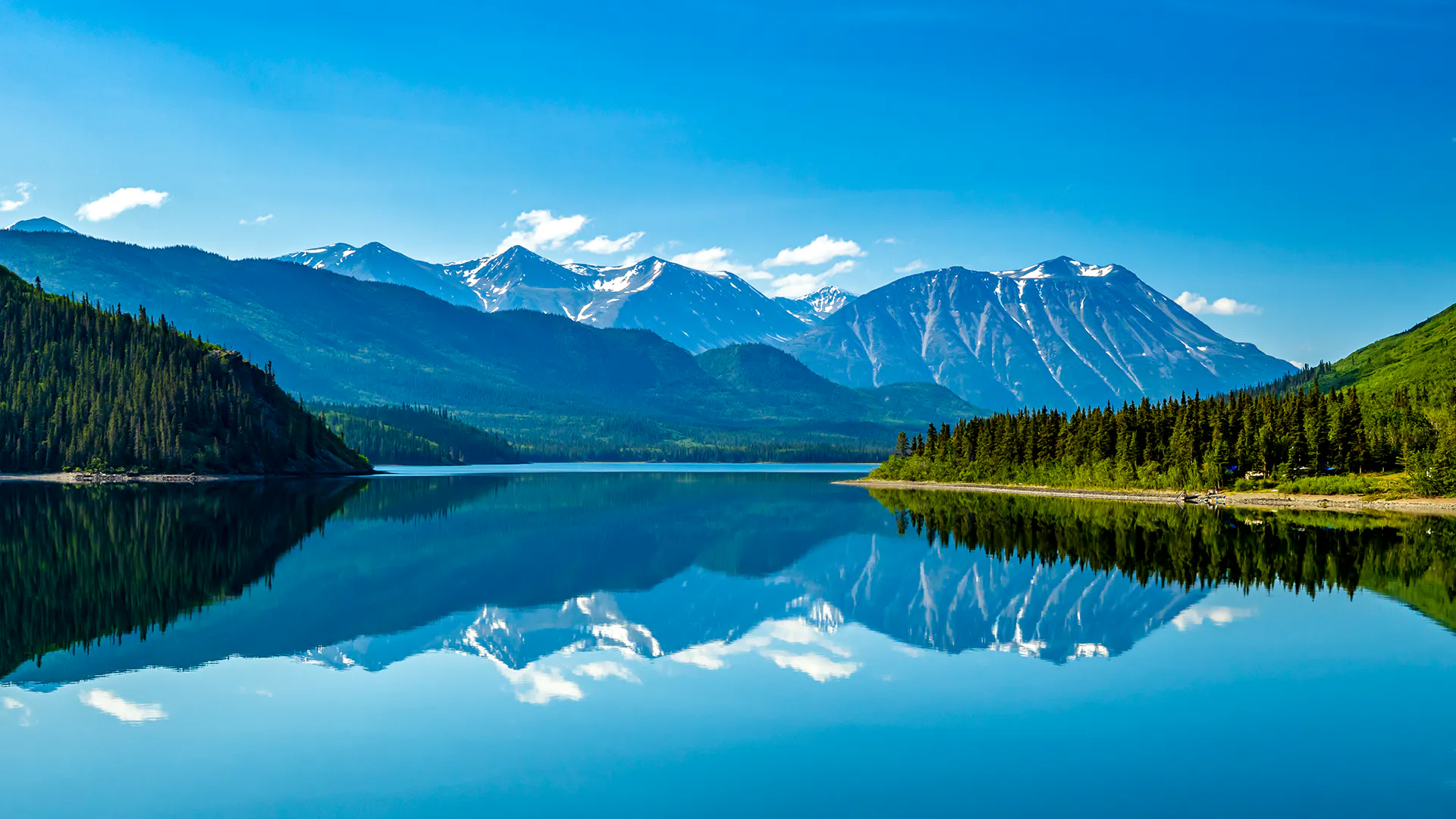
I was wrong, and I’m happy to admit it on the record. We sail roughly 500 of the Inside Passage’s 1,000 miles of protected waterways on day one alone, and it is not filler. It’s the overture. If Alaska were an album, day one is track one, and skipping it because you’re waiting for the single is a rookie move — which, again, I would’ve made if nobody had stopped me.
Why Virgin Waited This Long for Alaska
Here’s something I found genuinely interesting as a marketing person: Virgin didn’t just slap “Alaska” onto an existing itinerary and call it a day. Michelle walked me through why the brand waited, and it comes down to this — Alaska isn’t a warm-weather sailing with a different backdrop. It’s a completely different kind of trip, and Brilliant Lady had to be built for it.
We reworked common spaces — including the Athletic Club, of all places — into actual cool-weather viewing spots. Heated, glassed-in, oriented toward the scenery instead of away from it. Cabins got rethought with viewing in mind too. This isn’t a surface-level cold-weather patch job. This is a genuine ship redesign in service of one idea: wherever you are on this ship, you should be able to look outside and go “holy crap.”
The Behind-the-Scenes Story: Designing a Ship for Silence
Here’s the detail that actually blew my mind, and it’s not glamorous, it’s a design philosophy thing. Building a ship experience for the Caribbean is about energy — pool decks, sail-away parties, noise, movement. Building one for Alaska is basically the opposite brief: how do you create spaces where thirty people can stand at a rail in near silence, wrapped in blankets, watching a whale surface, without it feeling awkward or empty?
That’s a genuinely hard problem, and you can see the answer in small details all over the ship — warmer furnishings in the viewing lounges, heat lamps strategically placed on certain deck sections, and the actual GOAT of ship furniture: the hammock on a Sea Terrace balcony. I want to be extremely clear about something — I did not expect a hammock to be a top-three life experience of my year, and yet. Wrapped in a blanket, gently rocking, watching islands glide by at eye level, cold air on your face — it’s a completely different kind of relaxed than anything I’ve felt on a warm-weather sailing, and I’ve been on a lot of warm-weather sailings.
Meet the New Onboard Experts (These Two Are the MVPs of the Whole Itinerary)
Alaska sailings introduce two brand new Crew roles, and I’m calling it now — these two might be the best addition to any Virgin Voyages itinerary, full stop.
The heritage guide covers the human history of the region — the culture and people of Southeast Alaska, especially the Indigenous nations whose history here goes back thousands of years. You’ll meet this role again later in the series (there’s a guy named Herb in our Icy Strait Point episode who genuinely might make you cry, no spoilers), but Episode 1 is where we introduce the concept: someone who sails the whole voyage rather than showing up for one afternoon and disappearing.
And if you want a taste of pure Alaska showmanship instead of quiet reflection, hang tight for Ketchikan — we’ve got a whole aside coming on the legendary Lumberjack Show.
The naturalist covers wildlife, trees, marine life — basically the ecological color commentary for the whole trip. There’s a voiceover moment from Jil, our Social Impact and Sustainability Senior Director, in this episode that I think about constantly: an explanation of the actual, practical (not press-release, not marketing-speak) commitments Virgin Voyages has made about operating in this ecosystem, capped with a line that stuck with me hard — you can’t protect what you don’t understand.
I’m not exaggerating when I say that line reframed the whole trip for me. It’s not just a nice sentiment for a documentary. It’s the actual job description of that role, and honestly, kind of the mission statement for the whole Alaska program.
Headphones & Horizons: Book This Before You Even Unpack
If you take one piece of advice from me before your voyage even starts, book Headphones & Horizons at The Perch, hosted by “The Flare” from the happenings cast, who brings her own theatrical flair to the whole thing. It’s brand new for the Alaska season and it’s exactly the kind of quiet, weird, brilliant idea that could only exist on a ship built specifically for this route.
Here’s what it actually is: you show up to The Perch, get a blanket and headphones, and there’s a curated audio track of sensory cues designed to sync with whatever’s passing outside — a shoreline, a distant peak, open water. It’s part meditation, part nature documentary, minus a narrator telling you how to feel about it. Drinks are available from the bar the whole time, and you can wander instead of being glued to a seat.
Book this → reserve it in the Sailor App under Happenings. Since it’s new, I’d grab your spot early rather than assuming it’ll always be there.
The Wildlife You Might Catch Without Even Trying
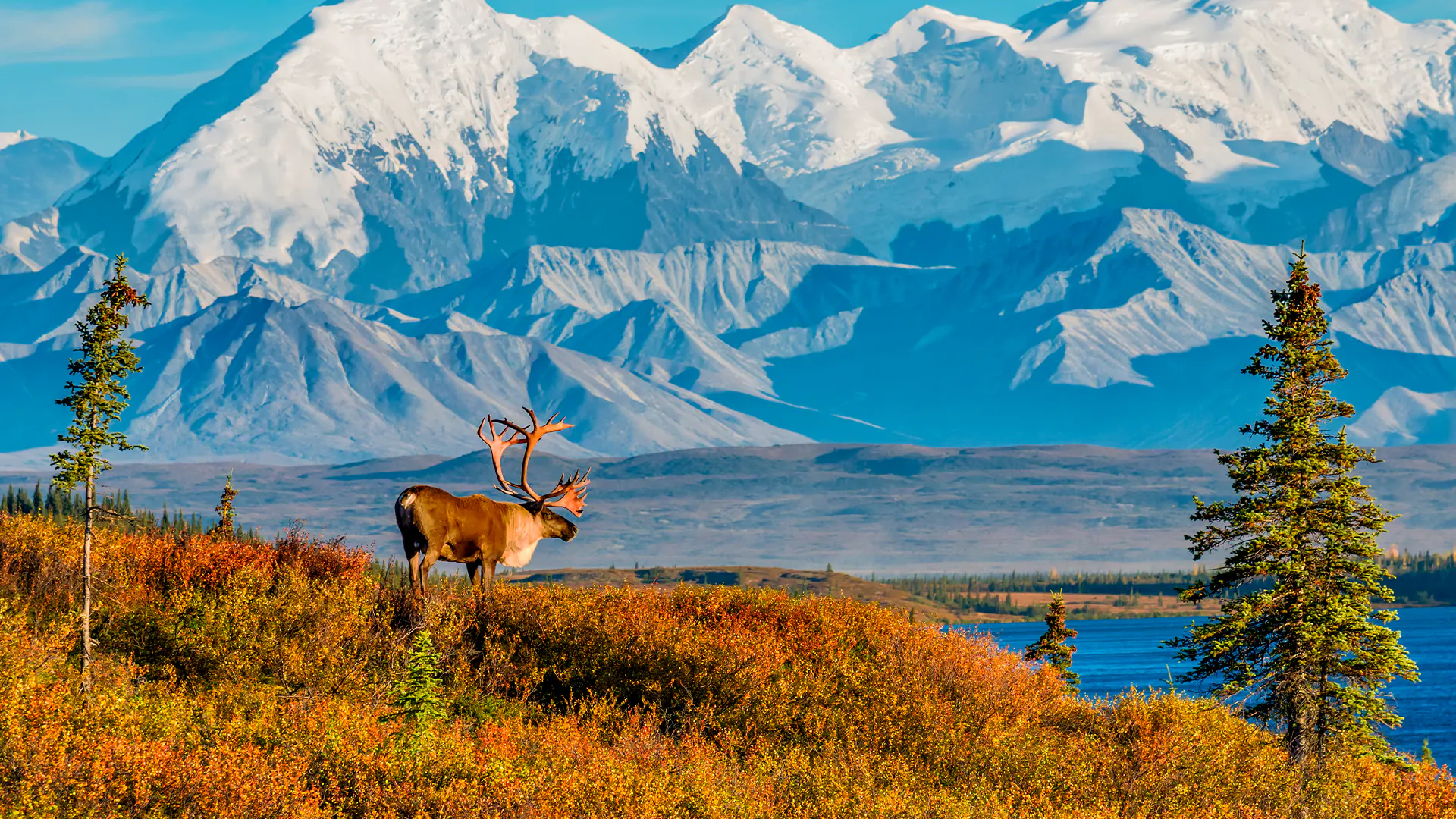
Here’s something nobody warned me about: you don’t need a booked excursion to see genuinely incredible stuff on day one. Humpback whales show up in the wider channel sections with more regularity than I expected. Bald eagles are just… hanging out on the shoreline like it’s nothing, which after Episode 2 in Ketchikan you’ll understand is basically the eagle version of a pigeon in a city park. Porpoises will occasionally ride the ship’s wake through the narrower passages, and the first time I saw that happen I nearly dropped my coffee off the balcony.
None of this is guaranteed, obviously — wildlife doesn’t run on a content calendar — but the naturalist role exists specifically to help you know where and when to look. My advice: if wildlife spotting matters to you, get out on an open deck rather than staying cabin-bound even with a great balcony. The wider sightline gives you better odds of catching something before the announcement system even flags it.
What Surprised Me Filming This (The Hardest “Easy” Episode)
Going in, I assumed this would be the simplest episode to shoot in the whole series — no port logistics, no excursion scheduling, just pretty water footage. I was wrong about that too (noticing a pattern here with my Alaska predictions — I’m 0 for 2 so far).
Turns out, filming something that’s fundamentally about stillness and paying attention, without it reading as boring on camera, is genuinely hard. It’s easy to make a helicopter landing on a glacier look incredible — the spectacle does the work for you. It’s much harder to make someone sitting quietly in a hammock, actually absorbed in the moment, feel compelling instead of like dead air.
Why I Wanted This Episode to Go First
I could’ve filmed this whole series starting with the most dramatic thing we did — and trust me, wait until you see the Hubbard Glacier episode, that’s the one that wrecked me emotionally in the best way. But I wanted Episode 1 to make an argument, right up front: Alaska isn’t a checklist of glaciers and fjords you’re ticking off between ports. It’s one continuous thread, and the ship itself is as much a part of that thread as anything you do on land.
If you watch this episode and think “cool, but nothing really happened,” I’d consider that a miss on my part. The actual goal was to convince you that the sail-away day isn’t a warm-up act. It’s the overture — and if you actually pay attention to it, everything that comes after hits differently. Think of it as your on-ramp into Alaska as a whole, and specifically into Ketchikan, Episode 2 — where things get a lot louder in the best way.
Rookie vs. Ten-Timer: What Michelle Sees That I Don’t (Yet)
One of my favorite dynamics of this whole series, and it starts right here in Episode 1, is watching Michelle experience something she’s done more than ten times with the same energy as someone doing it for the first time. I kept waiting for the “yeah, yeah, I’ve seen this” attitude to show up, and it just… never did. Turns out when something’s genuinely special, familiarity doesn’t dull it — it sharpens it. Michelle knows exactly which stretch of the Inside Passage tends to produce the best wildlife sightings, which time of day the light does something magical on the water, and which onboard vantage points I’d never have found on my own.
Meanwhile I’m just standing there going “Wait, THAT’S a mountain? That’s not even a big one to you people?” My first-timer brain kept wanting to treat every single thing as the main event, when in reality, part of what Michelle taught me over the course of this whole trip is pacing — learning to save your genuine, unfiltered awe for the moments that actually deserve it, because trust me, they’re coming (Hubbard Glacier, I will never stop talking about you).
That contrast — Michelle’s earned calm versus my first-timer chaos — is honestly the emotional engine of this entire series, and I think it’s part of why this episode works as an opener. You need both energies in the room. You need someone who knows this itinerary cold, and you need someone dumb enough to be shocked by literally everything, so the audience gets both the expert take and the “holy crap, is this real life” reaction in the same conversation.
A Little More on Why I’ve Wanted This Trip for Two Decades
I’ve been in the travel industry for over twenty years now, and Alaska has occupied this weird, almost mythical spot in my head the entire time. It’s not like the Caribbean or the Mediterranean, where you build up a mental catalog of specific hotels and specific beaches from colleagues’ trip reports. With Alaska, everyone just gets quiet and vague. “You have to see it for yourself.” “Pictures don’t do it justice.” As someone whose entire job is describing experiences persuasively for a living, that kind of response from seasoned travel professionals is genuinely rare, and it made me more curious about this destination than almost anywhere else on the planet.
So walking onto Brilliant Lady for this sailing wasn’t just “starting a work trip.” It was closing a loop that’s been open since I was in my twenties. I don’t think I fully processed that until we were actually underway on day one, watching the Vancouver skyline shrink behind us and the Inside Passage open up ahead. Twenty years of “someday” compressed into one actual morning. That’s not nothing, and I wanted this first episode to reflect the weight of that, even in a day that’s ostensibly “just” scenic cruising.
Practical Tips for Day One
- Get outside. Immediately. Don’t do what I almost did and treat day one as a “settle in” day. The scenery is too good to save for later.
- Book a Sea Terrace cabin if wildlife-watching matters to you. The hammock changes everything.
- Layer up more than you think you need to. Even from covered viewing areas, that air off the water hits colder than you’d expect.
- Talk to the naturalist ASAP. They’ll clue you into wildlife windows before the announcement system does.
Pro Tips From Me
- Reserve Headphones & Horizons before you even leave home if you can — early booking, no regrets.
- Pack a real blanket-adjacent layer even if your cabin has one; you’ll want extras once you’re glued to that hammock for two hours.
- If you’re a first-timer like me, resist the urge to “save” the excitement for the ports. Day one deserves your full attention.
Ketchikan’s up next, and the eagles alone are worth the wait. See you there.
Ready to sail the Inside Passage yourself? Explore Virgin Voyages Alaska itineraries.