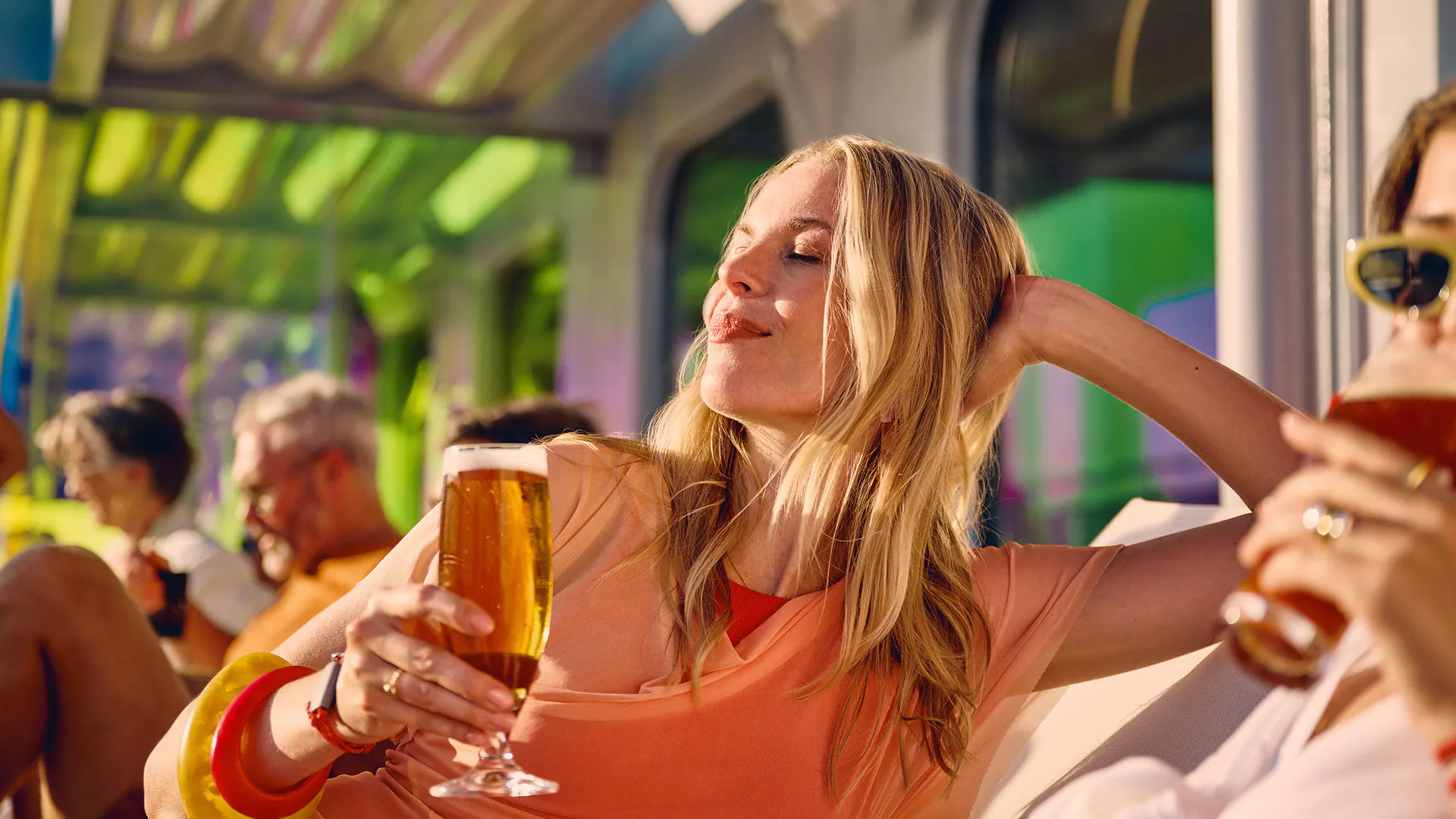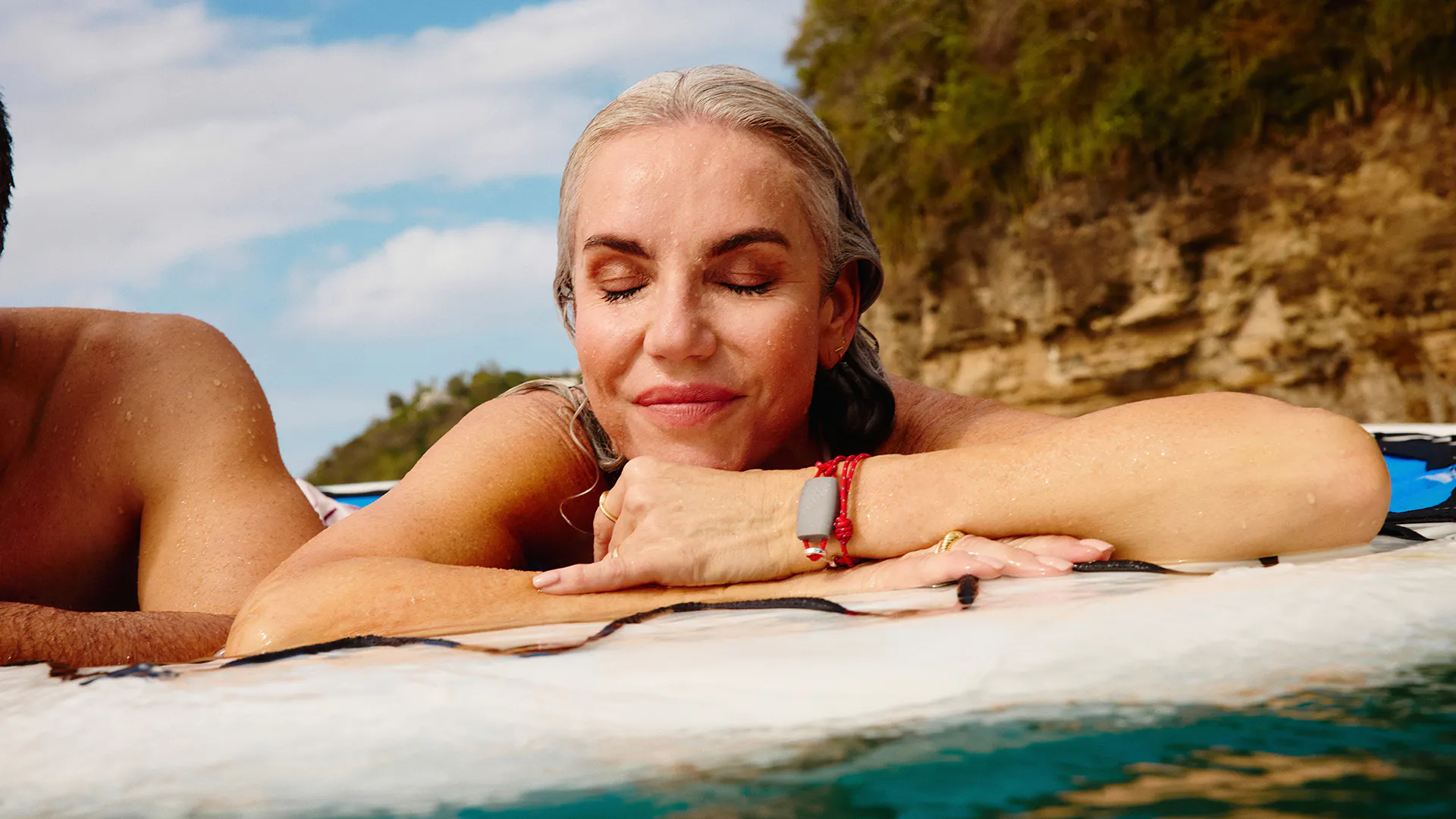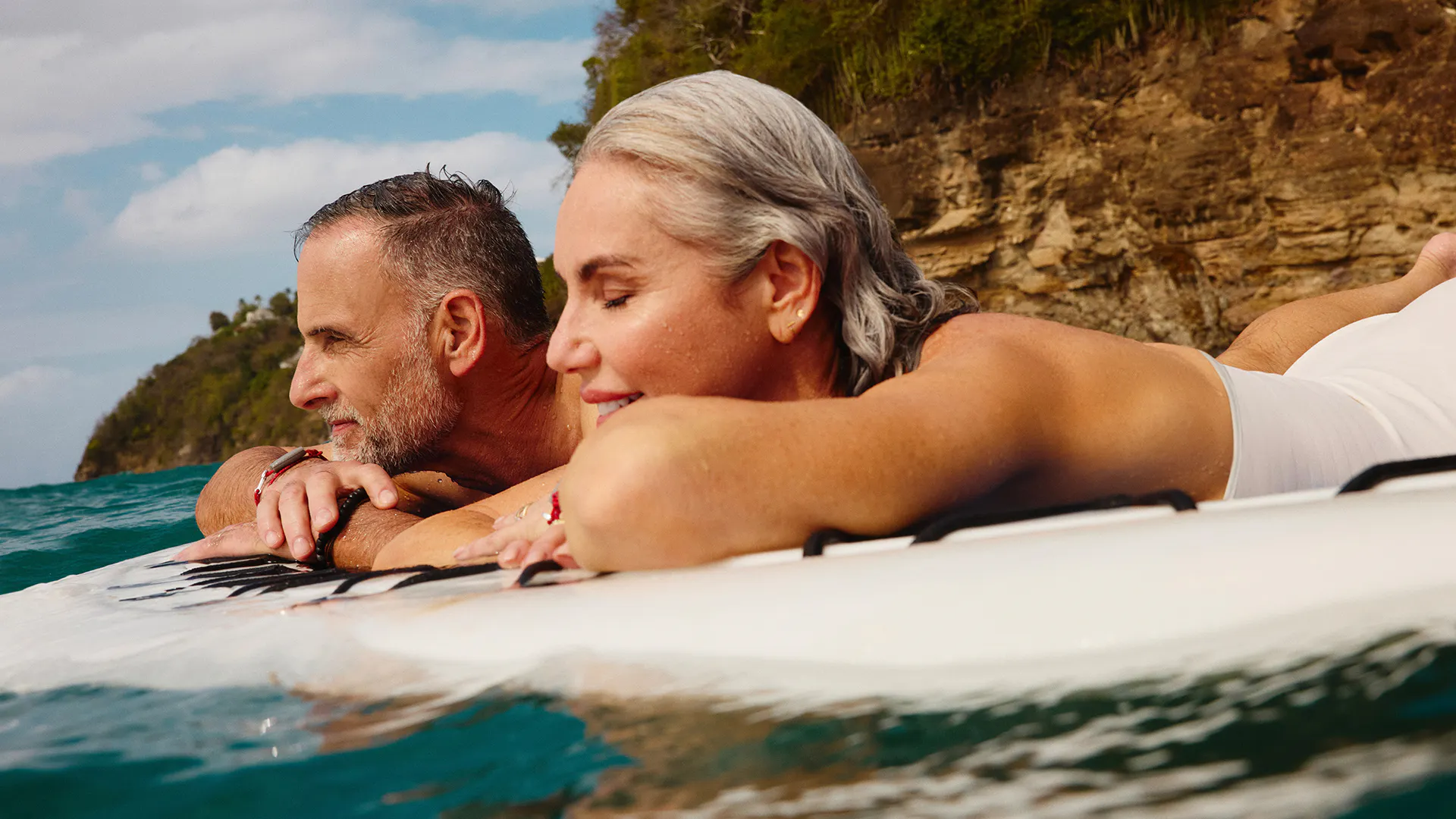
If Mental Health Awareness Month has you realizing your group chat (as strong as it may be) can’t fix burnout all on its own, consider this your sign to take your stress somewhere with better views. Preferably somewhere with a hammock, ocean breeze, and absolutely no push notifications demanding “quick thoughts.”
There’s something about life at sea that softens the noise. Maybe it’s the rhythm of the waves. Maybe it’s finally stepping away from routines that leave your brain running laps at 2 a.m. Or maybe it’s the rare luxury of having nowhere urgent to be.
Whatever the magic is, cruising has quietly become one of the best ways to fully reset mentally, emotionally, and physically. And honestly? Your nervous system deserves a little vacation too.
Why Mental Health Awareness Month still matters
Mental Health Awareness Month has been observed in the U.S. since 1949, originally launched to increase understanding, reduce stigma, and encourage support for people navigating mental health challenges. Decades later, the conversation has evolved, but the need hasn’t disappeared. If anything, modern life has made emotional burnout feel more common than ever.
Today, organizations like the National Alliance on Mental Illness (NAMI) continue that mission by advocating for awareness, access to care, and open conversations around mental well-being. Because mental health isn’t just about crisis moments. It’s also about rest, balance, connection, and creating space to recharge before exhaustion takes over.
That’s part of why travel, especially slower, more restorative travel, resonates so deeply right now.
A true vacation won’t solve everything. But stepping away from constant notifications, routines, and stressors can create something many people rarely give themselves permission to experience: stillness.
And few places make that stillness feel more natural than the open sea.
Why your brain relaxes faster at sea
Some vacations accidentally become logistical endurance sports. Sprinting through airports, overplanning every meal, decoding public transit maps before coffee. Relaxing somehow becomes… work.
Cruises flip that script entirely.
Once you step on board, the decisions shrink and the freedom expands. Your room moves with you. Your dinner plans are steps away. The soundtrack becomes waves instead of notifications. Suddenly, your brain gets permission to stop multitasking every second of the day.
That sense of ease matters more than people realize. Studies have long connected proximity to water with lower stress levels and improved mood. And unlike everyday life, the ocean has zero interest in asking you to “circle back.”
On Virgin Voyages, that reset starts immediately:
- Adults-only spaces designed for actual peace and quiet
- Flexible dining with no assigned seating or dining times
- Wellness-focused spaces like Redemption Spa and outdoor yoga
- Sea terraces with hammocks made for doing absolutely nothing
- Late mornings without interruption or alarm clocks
Turns out “doing nothing” is wildly underrated.
The power of finally unplugging
Modern life has made us permanently reachable. Emails follow us to dinner. Notifications interrupt conversations. Even vacations can become content creation projects disguised as relaxation.
At sea, disconnecting feels easier. Natural, even.
Maybe it’s because the horizon reminds you how small your inbox really is. Or because spending an afternoon watching the water somehow feels more fulfilling than doomscrolling for two hours.
Cruising creates rare moments where your attention returns to the present:
- Watching the sunrise from your balcony
- Reading an entire chapter without checking your phone
- Sharing dinner that lasts longer than 20 rushed minutes
- Dancing until midnight because you genuinely feel good
- Sitting in silence without needing to fill it
Those moments sound simple, but they’re increasingly rare. And they matter.
Wellness that doesn’t feel like homework
The best kind of wellness isn’t rigid or performative. It’s enjoyable.
No one wants a vacation that feels like a mandatory self-improvement seminar. Real restoration comes from balance, pleasure, movement, rest, and experiences that make you feel more like yourself again.
That’s where cruising gets it right.
One morning might start with meditation overlooking the sea. The next could involve sleeping until 10, grabbing noodles for lunch, and wandering into a live show later that night. No pressure. No perfect itinerary. Just freedom to recharge however you want.
Virgin Voyages leans into wellness in ways that feel modern instead of preachy:
- Group fitness classes with ocean views
- Restorative spa treatments and thermal suites
- Fresh, made-to-order dining across 20+ eateries
- Quiet corners for reading, journaling, or simply existing
- Energetic nightlife when you want connection and fun
Some days your mental reset looks like yoga at sunrise. Other days it looks like champagne and karaoke. Balance is beautiful.
Why slowing down feels so good
Cruising naturally changes your pace.
On land, we optimize everything. Faster routes. Faster replies. Faster workouts. Faster mornings. Somewhere along the way, rest became something people try to “earn.”
At sea, time stretches differently.
You linger over coffee. You watch sunsets without multitasking. You walk slower because there’s nowhere urgent pulling you away. Your nervous system gradually exits survival mode and remembers what calm feels like.
And honestly, that slower rhythm might be the most restorative part of all.
There’s also something deeply grounding about waking up somewhere new without the stress of packing, unpacking, navigating, or planning every detail yourself. One day it’s Beach Club at Bimini. The next it’s wandering colorful streets in the Caribbean or Mediterranean with no calendar reminders buzzing in your pocket.
That kind of ease creates space. And space is often exactly what overwhelmed minds need.
Connection matters too
Mental wellness isn’t only about solitude. It’s also about connection, joy, laughter, and feeling present with other people again.
Cruises create those moments naturally.
Maybe it’s meeting fellow Sailors over cocktails at The Dock. Maybe it’s laughing uncontrollably during trivia. Maybe it’s having uninterrupted dinner conversations that somehow turn into midnight walks around the ship.
When everyday life becomes repetitive and exhausting, shared experiences help pull us back into ourselves.
And unlike vacations packed with rigid schedules, cruising gives you flexibility to be social when you want and disappear into peaceful solitude when you don’t.
No pressure either way.
The ocean has a way of putting things into perspective
There’s a reason people have always turned to the sea for clarity.
Standing at the rail at night, surrounded by nothing but stars and open water, your thoughts tend to quiet down a little. Problems feel smaller. Breathing feels easier. Your brain finally gets a break from constant stimulation.
It’s not that cruising magically solves stress. But it does create the conditions that make restoration possible:
- Rest
- Presence
- Movement
- Joy
- Quiet
- Connection
- Space to think clearly again
Sometimes the healthiest thing you can do is step away long enough to hear yourself again.
Your next reset starts here
Mental Health Awareness Month is a reminder that well-being deserves attention year-round, not just when burnout becomes impossible to ignore.
So if your mind has been asking for a break, maybe listen to it.
Trade the endless tabs, packed schedules, and background stress for open water, slower mornings, and the kind of deep exhale that only seems to happen at sea.
Your brain has been in overdrive long enough. Time to let the ocean take it from here.