Vacations are supposed to feel like a smooth sunset sail — warm breeze, zero chaos, maybe a drink that arrives like magic from the other end of the bar. But if you’ve ever tried to assemble a getaway while juggling work, family logistics, and a group chat that won’t stop suggesting “one more activity,” you already know the truth:
Common vacation problems aren’t rare plot twists. They’re the whole genre.
So let’s map the usual travel mishaps, how to avoid vacation problems (or at least contain the damage), and what to do when travel goes wrong — with a practical, skimmable game plan you can actually use. And then we’ll get to the fun part: why it doesn’t here (hint: fewer moving parts, fewer meltdowns).
The vacation problems travelers worry about most
You’re not “dramatic.” You’re informed. Travel is amazing, but the logistics can be…spicy.
Reality check (aka: the statistics that validate your side-eye)
- Flight disruption is real: In the July 2024-June 2025 period, nearly one in four U.S. flights ran late or were canceled.
- Scale of delays: In 2025, nearly 248 million passengers experienced a delay or cancellation.
- Baggage chaos: In 2025, more than 2.4 million U.S. air travelers had checked bags that were lost, delayed, or damaged on domestic flights.
Now, let’s hit the greatest hits of vacation chaos — then outsmart them like the savvy traveler you are.
9 classic vacation disasters (& how to outsmart each one)
1) Flight delays & cancellations
Because nothing says “vacation mode” like sprinting to a gate while your phone refreshes like it’s day trading.
Prevent it:
- Book earlier flights when possible (delays stack up through the day).
- Avoid tight connections; aim for 90+ minutes domestic and two+ hours international.
- Choose seats and add bags in advance so you’re not stuck in last-minute airline app limbo.
Do this now (if it’s happening):
- Rebook in-app first, then call (do both — whoever wins first wins).
- If you’re at the airport, get in the customer service line and use chat/app simultaneously.
- Ask what the airline can provide (hotel/meal vouchers vary by situation).
- If you need proof for work/insurance, request a delay/cancellation confirmation.
With nearly one in four U.S. flights running late or canceled (Jul 2024-Jun 2025), building buffer time isn’t pessimism, it’s strategy.
2) Missed connections (the domino effect)
One delay and suddenly you’re playing airport bingo: Gate change. Run. Closed door. Existential dread.
Prevent it:
- Pick itineraries with fewer legs (one connection beats two, always).
- If you must connect, avoid “last flight of the day” routes.
- Pack essentials in your personal item (meds, chargers, a clean shirt — future you will applaud).
Do this now (if you miss your flight):
- Get rebooked immediately (app + agent approach again).
- If your bag is checked, confirm where it will go next.
- If you’re overnighting, ask about accommodations and meal vouchers (policies vary).
- Save receipts for reasonable expenses if you’re using travel insurance later.
This is exactly the kind of scenario people mean when they panic-search "what to do if you miss your flight."
3) Lost or delayed luggage (aka: living from your carry-on)
The universe loves a plot twist. Sometimes it’s your suitcase taking a solo trip.
Prevent it:
- Put an AirTag/tracker in your bag (tiny device, big peace).
- Use a bright luggage tag and remove old airline stickers.
- Pack a carry-on survival kit:
- meds + copies of prescriptions
- one outfit you can actually wear in public
- chargers + toothbrush + deodorant
- swimsuit (if applicable—don’t let baggage steal beach time)
Do this now (if it’s lost/delayed):
- File a report before leaving the airport. Get a reference number.
- Ask about reimbursement rules for essentials (varies by airline and route).
- Track your bag and follow up through official channels, not random “helpful” DMs.
In 2025, 2.4M+ U.S. domestic travelers had checked bags that were lost, delayed, or damaged. The good news: many “lost” bags are actually delayed, not gone forever, but you still deserve a plan.
4) Lost passport/document chaos
Nothing spikes your heart rate like realizing your passport is not in the one place it’s supposed to be. (Yes, we’ve all checked the same pocket 12 times.)
Prevent it:
- Take photos of your passport/ID and store them securely (encrypted cloud or password manager).
- Keep physical copies separate from originals.
- Use a travel wallet and make it the only passport home.
Do this now (if it’s lost):
- Report it lost/stolen with local authorities if required.
- Contact your embassy/consulate for emergency replacement steps.
- If you have upcoming travel, ask about emergency travel documents and timelines.
You’re not the first person this has happened to — and there’s a light at the end of the tunnel.
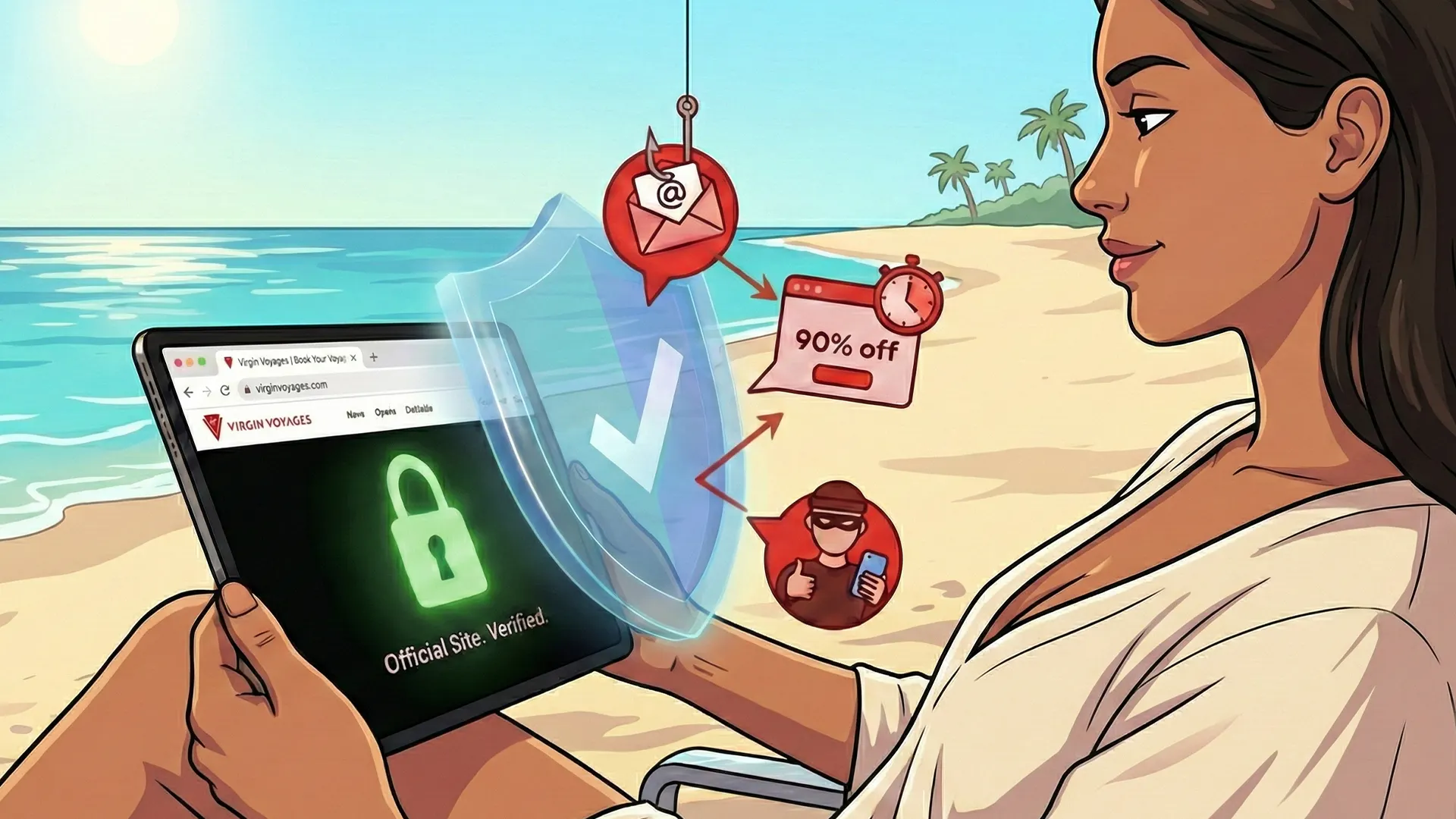
5) Scams, pickpockets, and the new villain: AI-powered fraud
Today’s travel scams aren’t just “too-good-to-be-true” street deals. They’re sleek fake booking sites, scam airfare pages, QR-code traps, and even AI voice mimicry.
Prevent it (Scam Spotter checklist):
- Double-check URLs (tiny typos = giant headaches).
- Don’t wire money to “lock in” deals.
- Verify booking confirmations by logging into the airline/hotel site directly.
- Be cautious with QR codes in public places (use official apps where possible).
- If someone calls claiming to be a relative in trouble, pause and verify via a known contact method.
Do this now (if you’ve been hit):
- Freeze cards and change passwords immediately.
- Contact your bank/card issuer to dispute charges.
- Report to the relevant consumer protection agencies.
6) Hidden fees (The “drip pricing” jump scare)
You thought you booked the thing. Then come the “resort fee,” the “service fee,” the “processing fee,” and the “fee fee” (probably).
Prevent it:
- Before you book, scan for:
- resort/destination fees
- WiFi charges
- “mandatory gratuities” or service charges
- baggage fees, seat fees, boarding fees (okay, not that last one… yet)
- Get the total price in writing (or screenshot it).
Do this now (if fees appear):
- Ask what’s optional vs. mandatory.
- If the pricing feels misleading, request a cancellation/refund based on policy.
- When possible, book direct and confirm the all-in total.
This is one of the most common vacation problems—especially when travelers search for all-inclusive hidden fees and realize the “all-inclusive” isn’t exactly… all.
7) Illness, injury, or “my stomach has opinions”
Vacations don’t always care about your plans. Your immune system can file a complaint at any time.
Prevent it:
- Pack a small OTC kit: pain/fever, allergy meds, digestive support, motion relief, blister care.
- Bring any prescriptions in original containers.
- Keep hydration and sleep on your itinerary (yes, it counts as an activity).
Do this now (if you get sick):
- If symptoms are serious, seek medical care immediately.
- Contact your travel insurance emergency assistance line (if you have coverage).
- Save documentation and receipts.
Proof points:
- In 2025, 54% of surveyed travelers said getting sick or having an accident while traveling was their top concern.
- In 2026, emergency medical claims accounted for 27%+ of paid travel insurance claims.
8) Weather disruptions (storms, closures, itinerary trouble)
Weather doesn’t negotiate. It simply arrives.
Prevent it:
- Add a buffer day on the front or back for important trips.
- Avoid hyper-scheduled itineraries where one cancellation ruins everything.
- Use travel alerts and keep notifications on (yes, even if your phone is trying to become your boss).
Do this now (if weather hits):
- Reconfirm plans as early as possible.
- If you’re changing flights/hotels, do it quickly—availability disappears fast during mass disruptions.
- If you’re using travel insurance, document delays and keep receipts.
Proof point: Early 2026 saw the worst day for U.S. flight cancellations since the pandemic due to a major winter storm. Weather’s still got range.
9) Booking/reservation fails & overbooking
You have the confirmation. They have… vibes. And suddenly you’re negotiating for a room like it’s a rare artifact.
Prevent it:
- Book direct when possible (easier changes, fewer middlemen).
- Reconfirm 24-72 hours before arrival.
- Keep confirmation emails/screenshots accessible offline.
Do this now (if your reservation disappears or you’re overbooked):
- Ask the property to locate the reservation using multiple identifiers (name, email, confirmation number).
- If you booked third-party, contact them immediately and escalate.
- If you’re “walked,” confirm:
- comparable or better accommodation
- transportation provided
- who pays the difference
- Get everything in writing.
These are the stories behind searches like “what to do when your reservation disappears” and “hotel overbooked.”
Why things don't go wrong here (aka: fewer moving parts, fewer meltdowns)
Let’s be clear: we’re not promising the universe will never toss you a curveball. But we are saying this — confidently:
A lot of vacation stress comes from too many separate decisions, surprise add-ons, and friction-filled logistics. And that’s exactly what cruising at large (and Virgin Voyages in particular) is designed to reduce.
Smooth embarkation = a better start
Embarkation day shouldn’t feel like an obstacle course with a side of panic-sweats.
Virgin Voyages keeps it simple with a tech-forward flow that helps you prep before you ever see the terminal doors, including:
- using the Virgin Voyages app for key pre-sail steps (like check-in),
- arriving at your assigned Terminal Arrival Time (so you’re not stuck playing sidewalk bingo), and
- packing a carry-on with essentials (passport, meds, and the outfit that says “vacation starts now”).
Get the full play-by-play (and save yourself the last-minute chaos) in the Virgin Voyages Embarkation Guide.
Lost luggage? Here’s the thing: you’ve got support either way
While luggage delays are often an airline story (not a ship story), Virgin Voyages has a clear “you’re not alone” plan for items left behind onboard: if you forget something on the ship, you can submit a request through the official Lost & Found form, and the Crew will start a search (because “ship happens”).
If you ever need that post-voyage assist, head here: Post-Voyage Support.
Injury or illness? There’s coverage designed for mid-voyage curveballs
Because sometimes life throws a banana peel right onto your itinerary, we offer InVoyage Care, an insurance option that can protect you from the moment you step aboard until the moment you disembark, with benefits that can include:
- trip delay reimbursement (for eligible delays of six+ hours),
- emergency accident and emergency sickness medical protection (up to stated limits),
- baggage and personal effects coverage, and
- 24/7 travel and medical assistance through CareFree Travel Assistance.
If you like knowing there’s a plan for the “what if”, start here: InVoyage Care FAQ.
Digital scams and fraud? Not on our watch
Scammers love vacations because people are busy, excited, and clicking fast. We take a firm stance (and give you clear tells to look for), including this big one:
- Virgin Voyages will never call you to request personal details like your last name, date of birth, or booking ID.
We also recommend treating your Reservation ID like a password, avoiding sharing it on social media (yes, even in that “humble brag” boarding pass screenshot), and verifying details by logging into your account directly.
Want the full anti-scam playbook? Drop anchor here: Fraud and Scam Alerts.
“This looks nothing like the photos” energy? Not gonna happen
When a vacation doesn’t match the hype, that’s when the group chat goes from “cute!” to “class action?”
But that doesn't happen on board with us. Virgin Voyages is an award-winning cruise line — and if you’d like receipts (the good kind), you can browse the brag shelf here: Awards and Accolades.
The all-in voyage value: clarity beats chaos
A lot of vacation stress comes from surprise add-ons and “wait, that costs extra?” moments.
Virgin Voyages includes over $1,000 in value with every voyage fare, covering:
- WiFi
- All dining
- Soda & water
- Fitness classes
- Entertainment
That’s not just nice-to-have. That’s fewer moments where your vacation turns into a spreadsheet.
FAQs
When travel goes sideways, what protection actually helps?
Below are general answers designed to help you evaluate coverage. Travel insurance benefits vary by provider and policy—always read your plan details and exclusions.