Say the word “cruise” at a dinner party and someone will inevitably raise an eyebrow.
“Aren’t those expensive?”
It’s a fair question. Travel isn’t cheap. But here’s the twist: cruising often feels more expensive than it actually is — because most people compare it to the wrong thing.
Let’s break it down.
What are you actually comparing it to?
When people say cruises are expensive, they’re usually comparing a cruise fare to:
- A single hotel room rate
- A round-trip flight
- An all-inclusive resort
- Or a quick weekend getaway
But a cruise isn’t just one of those things. It’s all of them combined. On a single voyage, you’re getting:
- Transportation between multiple destinations
- Ocean-view accommodations
- Dining across numerous restaurants
- Live entertainment and nightlife
- Fitness classes and wellness programming
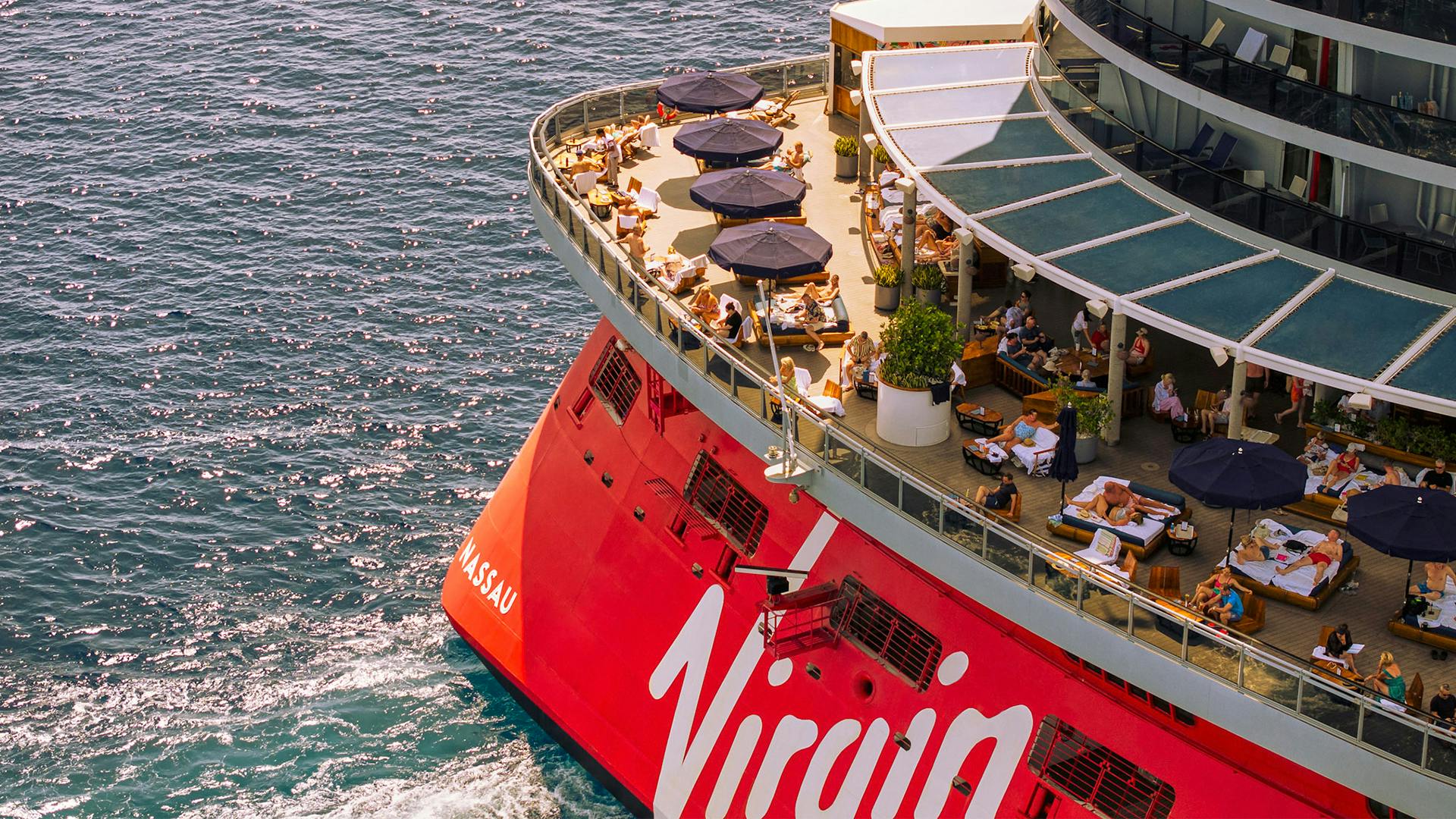
- Pools, sun decks, and design-led public spaces
Compare that to booking:
- Flights to multiple cities
- Hotels in each destination
- Restaurant reservations every night
- Entertainment tickets
- Transfers between stops
Suddenly, the math looks different.
The illusion of the low hotel rate
Let’s say you find a $250-per-night boutique hotel in a major European city. Sounds potentially doable, depending on your budget.
Now add:
- Flights
- Airport transfers
- Daily meals
- Cocktails
- Museum tickets
- Fitness classes
- Train or car travel to your next destination
That $250 room can quickly double or triple in daily spend.
Cruises package those core elements together. You unpack once. Your “transfers” happen while you sleep. Your entertainment is steps away.
It’s not about being cheap. It’s about concentrated value.
What’s included matters more than the base fare
Not all cruises include the same things. And that’s where confusion often creeps in.
On Virgin Voyages, your fare includes:
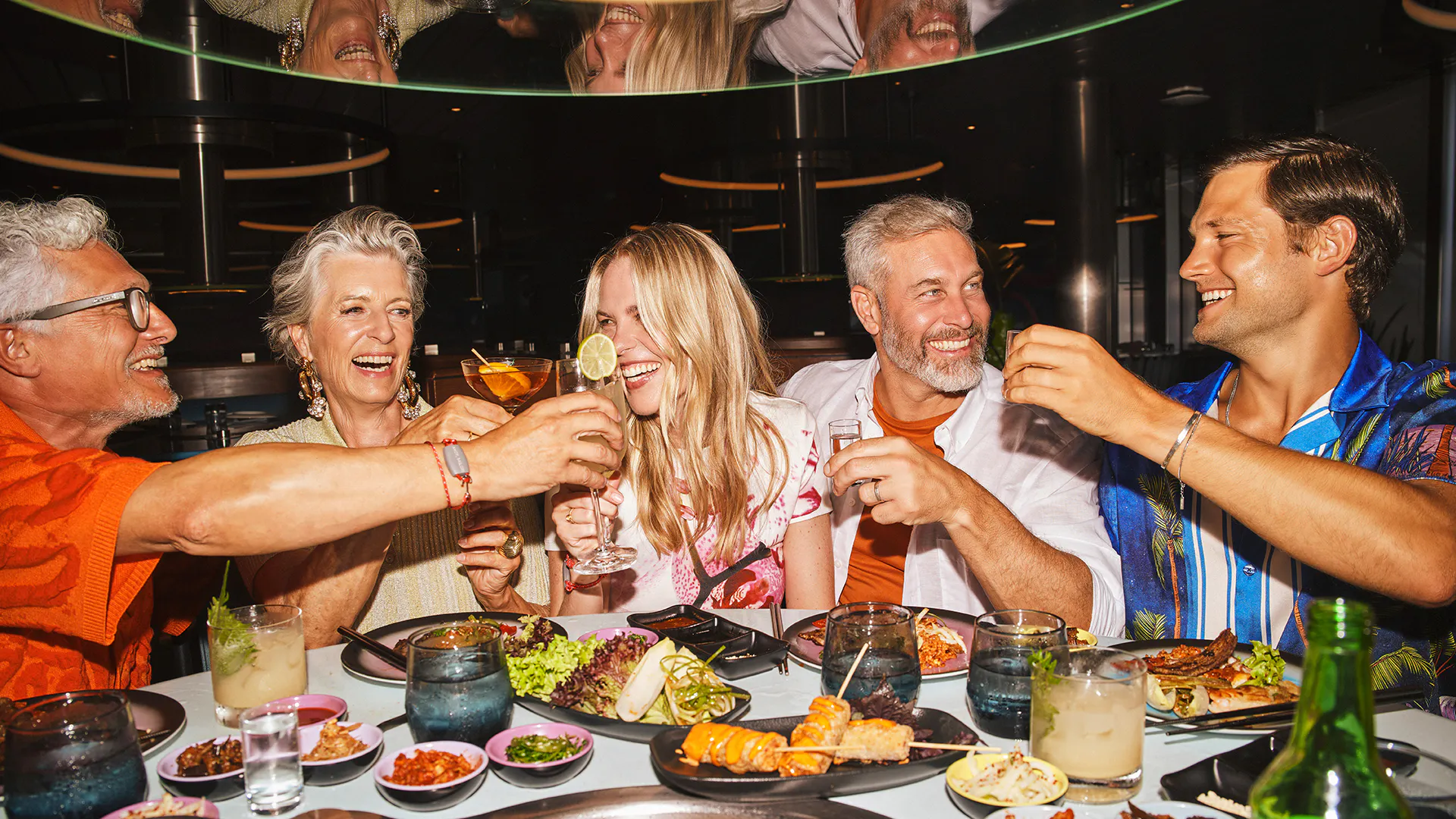
- 20+ eateries with made-to-order dining
- Essential drinks like still and sparkling water, soda, and drip coffee
- WiFi
- Group fitness classes
- Entertainment and nightlife
There’s no buffet. No assigned dining times. No extra charge for specialty restaurants.
When you compare that to land travel, imagine:
- Dinner at a different restaurant every night
- A ticketed show after dinner
- A morning yoga class
- WiFi everywhere you go
Bundled together, it adds up fast on land.
The adults-only factor
Value isn’t just about dollars. It’s about atmosphere.
Virgin Voyages is exclusively 18+. That changes the energy onboard. No kids’ clubs. No splash zones. No early curfews on the dance floor.
For some travelers, that adults-only environment feels like an upgrade compared to family resorts or mixed-age experiences.
If you’ve ever paid premium pricing for an adults-only hotel, you already know the difference that environment makes.
Time is money, too
One of cruising’s biggest hidden values is efficiency.
On a typical multi-city land trip, you spend hours:
- Packing and unpacking
- Waiting in airports
- Navigating train stations
- Coordinating transfers
On a cruise, your hotel moves with you. You wake up somewhere new without losing a travel day to logistics.
That time saved is part of the value equation. Less friction. More vacation.
Where cruises can feel expensive
Let’s be honest. Cruises can get pricey if you:
- Upgrade to premium cabins
- Add specialty beverages
- Book shore excursions
- Extend your stay pre- or post-voyage
But the same is true of any vacation. The difference is transparency. Knowing what’s included upfront makes it easier to control your spend.
And unlike many land-based trips, you’re not paying surge pricing for every meal, ride, and experience once you arrive.
So… are cruises expensive?
They can be. But so can a week in Miami. Or Barcelona. Or Mykonos (and we do overnights in Mykonos, btw).
The better question is: what are you getting for the price?
A cruise blends transportation, accommodations, dining, entertainment, and design into one streamlined experience. When you compare it to booking each element separately, it often delivers more value than travelers expect. Cruising isn’t about cutting corners. It’s about maximizing moments.
If you’re going to spend on travel, why not spend it on something that moves you — literally?